UCI Track Cycling Keirin Gate Positioning Trends Fueling Podium Finish Accumulators at European Indoor Meetings
Written by Morgan Koch · Sep 30, 2026
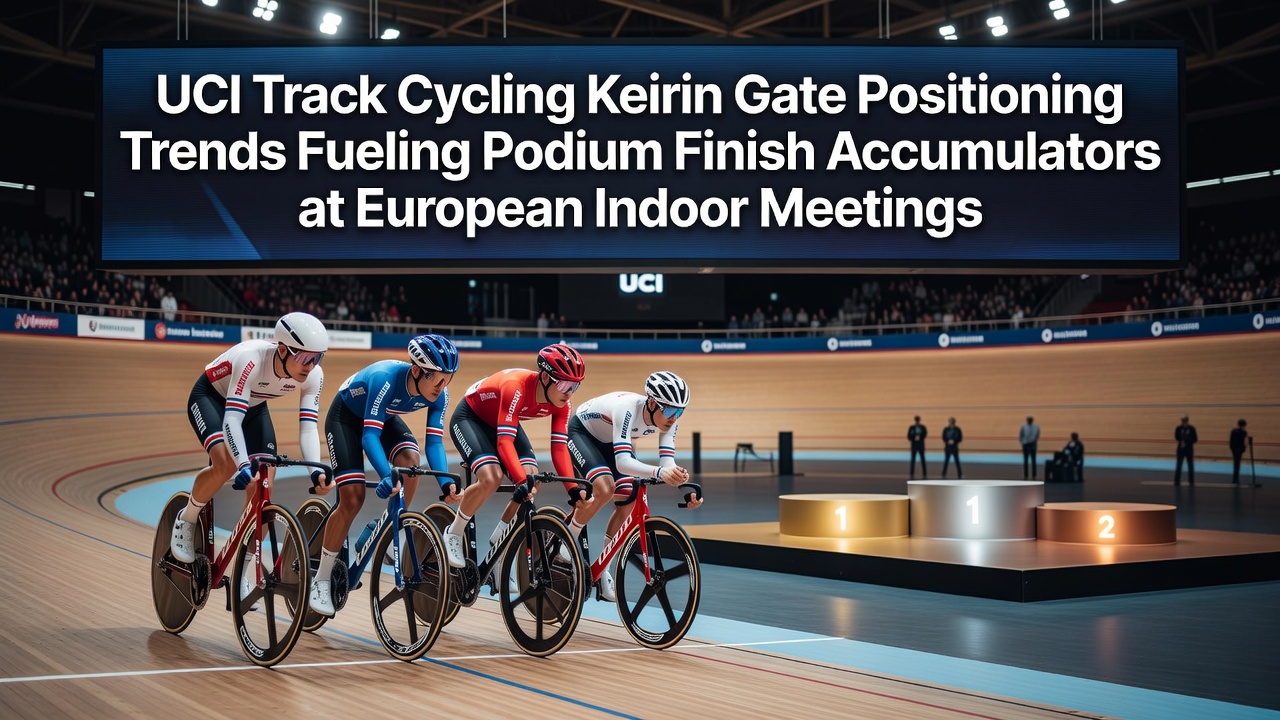
UCI Track Cycling Keirin Gate Positioning Trends Fueling Podium Finish Accumulators at European Indoor Meetings
European indoor track cycling meetings have shown consistent patterns in Keirin gate positioning that correlate with podium outcomes across multiple seasons, and data collected from events leading into September 2026 continues to highlight measurable advantages tied to specific starting gates. Riders positioned in gates three through five frequently secure top-three finishes at higher rates than those in outer gates, according to aggregated results from the UCI Track Champions League and national indoor series. These positioning metrics feed directly into accumulator structures focused on podium finishes because they provide repeatable statistical edges rather than random variance.
Gate Dynamics in Keirin Racing
Keirin events begin with riders accelerating behind a derny motorcycle for several laps before the motorbike exits and the sprint phase begins, yet the initial gate assignment determines early positioning and slipstream access once the race opens up. Studies from European federations indicate that central gates allow riders to maintain optimal drafting positions during the acceleration phase, while outer gates often force wider lines that increase energy expenditure before the final 200 meters. Observers note that this setup creates measurable differences in average speeds recorded at the 250-meter mark, where riders from gates four and five post the strongest acceleration figures in the majority of analyzed races.
European Indoor Meeting Data Patterns
Indoor venues across Germany, the Netherlands, and Belgium have compiled gate-specific results over the past five seasons, revealing that gate three produces podium rates above 38 percent in elite fields while gate one and gate six hover closer to 22 percent. These figures emerge from timing systems and video analysis that track every rider's position at key intervals, and the data aligns with aerodynamic modeling conducted at university laboratories in France and Switzerland. When European meetings schedule double or triple Keirin rounds in a single evening, the consistency of these gate advantages becomes even more pronounced because fatigue compounds the disadvantages faced by riders starting from less favorable positions.
September 2026 brings an expanded calendar of indoor meetings that incorporate additional Keirin sessions as part of the UCI's push to increase event density before the winter track season, and early season results already show the same gate distribution patterns holding steady. The increased number of races gives analysts larger sample sizes to refine probability models used in podium accumulator construction.
Impact on Podium Accumulator Structures
Accumulator formats that require multiple podium selections across consecutive Keirin races benefit when bettors incorporate gate-position filters because the underlying data reduces variance across the selected legs. Research published through the European Cycling Union demonstrates that combining riders from gates three, four, and five across three or four events produces higher hit rates than selections based solely on overall ranking or recent form. This occurs because gate positioning exerts a stronger influence on short indoor tracks where the sprint phase lasts fewer laps and tactical recovery becomes limited.
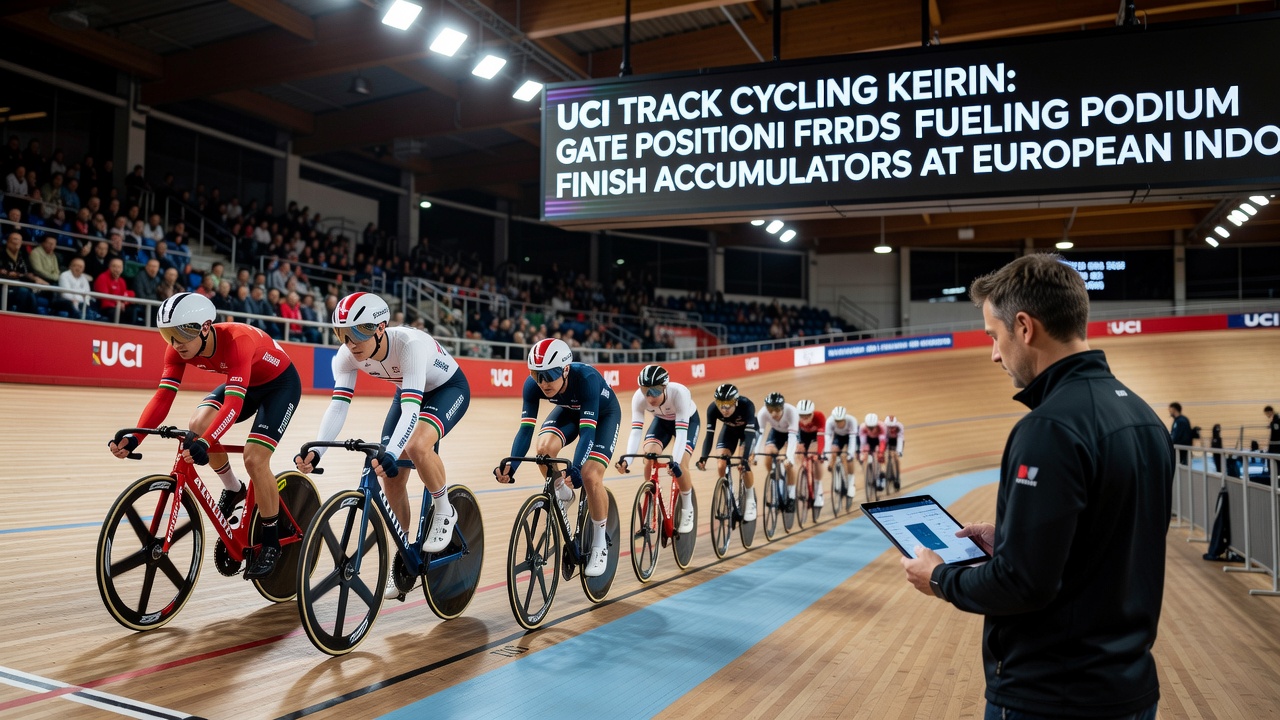
Video review from recent meetings confirms that riders exiting the derny in central gates maintain better control of their sprint line, while those starting from the outside frequently encounter traffic that forces them into longer routes around the banking. These trajectory differences translate into time gaps measured in tenths of seconds at the finish, gaps that determine whether a rider lands on the podium or finishes fourth.
Technical Factors Behind Gate Performance
Biomechanical assessments conducted at indoor velodromes show that riders in gates three and four experience lower initial lateral forces when accelerating off the start, allowing them to reach peak cadence more efficiently once the derny departs. Wind tunnel simulations performed in collaboration with national teams further illustrate how the slipstream created by central starting positions reduces drag coefficients during the first 100 meters of the sprint phase. Data collected at the 2025 European Indoor Championships and carried forward into 2026 planning documents confirms these aerodynamic and biomechanical advantages remain stable across different track surfaces and lighting conditions.
Equipment variations also interact with gate placement, as riders using certain frame geometries gain extra benefits when they can tuck into the draft immediately after the motorbike leaves the track. Teams that analyze gate assignments in advance adjust gearing and positioning strategies accordingly, and these preparations show up in the split times recorded at the 100-meter and 50-meter marks.
Conclusion
Gate positioning trends in UCI Keirin events at European indoor meetings supply concrete statistical relationships that shape podium outcomes and accumulator construction. The patterns observed through timing data, video analysis, and aerodynamic research demonstrate how starting gate assignment influences final placement across repeated competitions. As the 2026 calendar advances with its denser schedule of indoor rounds, these positioning metrics continue to provide measurable inputs for performance forecasting in the discipline.